KAL is an ELECTRONIC NON-GOVERNMENTAL ORGANIZATION (e-NGO) and has been initiated on independent volunteering bases as a global open network since 1993. Members with skills in linguistic, and information technology are sharing their thoughts around Kurdish linguistic issues. They seek information, solutions and focus on a future for better understanding of the Kurdish language. KAL is a community of people who has responded to this crucial question of our society.
One thing that Individuals/organisations can do to support projects like KAL and KURDISTANICA is to ask their friends, colleagues or fellow organizational members to get involve in turning hard copy material into electronic (scanning, typing etc.). If you are conversant in other relevant languages, you can help translate texts from English into Persian, Turkish, Arabic (and vice versa), as well as proof-reading English translations.
Professor. Dr. Wurya 'Umer Emín
Hemú zimanék le enjamí ew gorrínaney be serya dét debéte cend shéweyékí nawceyí... Cend katí be sera téperrí shéwekan zíyatir lék detrazén u lék dúr dekewnewe u jíyawazíy néwanyan le réziman u ferheng u yasa dengíyekanda zíyatir debé. Wata her shéweyek debé be sístemékí serbexo bo xoy, jíya le waní tir. Híc hézé níye bituwané lékyan datewe u bíyangerrénétewe barudoxí péshúyan u bíyankatewe be yek sístem.
Núsíní : Lars Sigurdsson Vikør
Wergérran le Inglísíyewe: Hesené Qazí
Tébíní wergérr: em núsraweyey Lars Sigurdsson. Vikør, profésorí zimannasí zimane Skandínavíyekan le zankoy Oslo u berpirsyarí serekí qamúsí Norwéjhí (Norsk Ordbok), qamúsékí zanistí sebaret be Nynorsk u lehce Norwéjhíyekan, séyemín babete ke le layen em wergérrewe be mebestí nasíyawbúní hogiraní babetí nasik u giríngí zimannasane le Kurdistan, legell barudoxí zimaní le Norwéjh wek wullaték ke dú standardí zimaní heye wergérdirawe. Em babete be pécewaney wutarí péshú le ruwangey le serkirdinewey Nynork núsrawe.
Ferhad Shakelí
Beshí yekem: Ezmúní péshkewtin, metirsíy heres
Ew gorran u geshe kirdine síyasíyey le duwadeyey sedey bístemda le Kurdistaní xwarúda rúyda, zemíneyekí bashí amade kird bo kar kirdine ser layenekaní díkey komellí Kurdistan; abúrí u komellayetí u ferhengí. Em bare tazeye, bo ewey berdewam bét u rúwew asoyekí juwantir u rúntir bibirét, debé bír kirdineweyekí qúll u zanistí u wurdbín bír bibéte rénuwén u serpershtíyarí,
Kawe Emín
Birrbirrey pishtí her neteweyek zimanekeyetí, be taybetí bo neteweyekí dagírkirawí wekú Kurd ke zor jar zimanekey tenha cekék búwe bo xoparastin u manewey le néw gele gúrgí dagírkeranda. Bellam lem rojhgarey emrroda tenha ziman níye ke neteweyekí pé denasrétewe, be taybetí hendék takí netewey Kurd be hec hoyekewe bét zimaní Kurdí nazanin, bellam ke déte ser ewey ke axo Kurdin yanísh ser bew neteweyen ke be zimanekey deaxfin, ewa bé sé u dú, xoyan be Kurd dezanin, nimúney lem jore zorin be taybetí le Bakúrí Kurdistanda, tenanet zorék lew régayeda shehídísh bún u yek wushey Kurdíshyan nezaníwe.
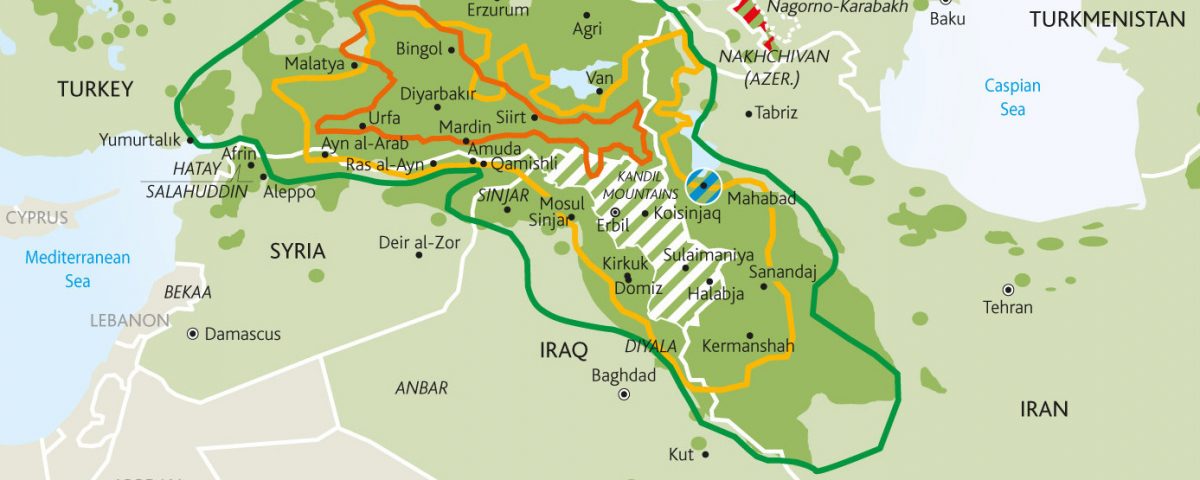
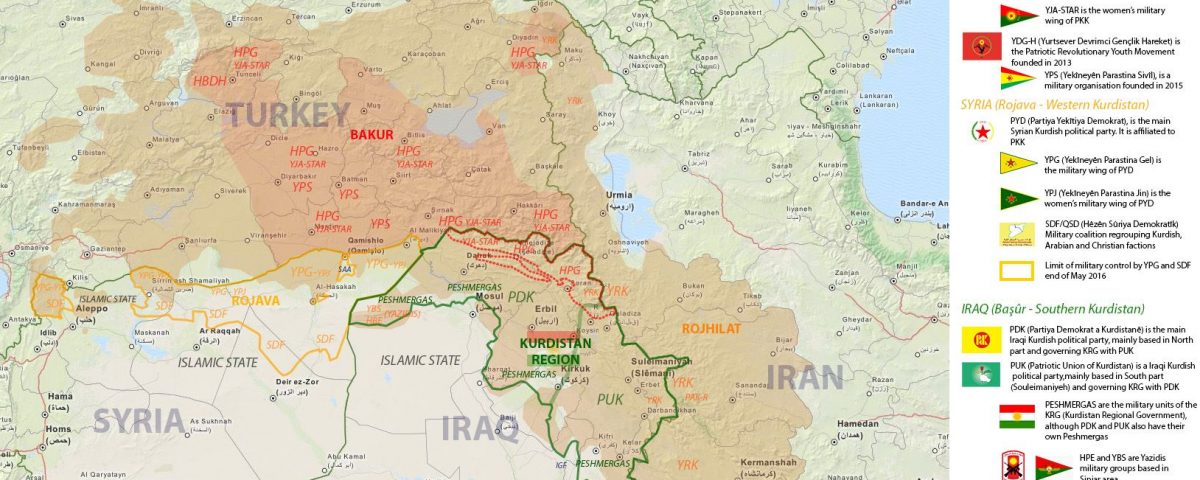
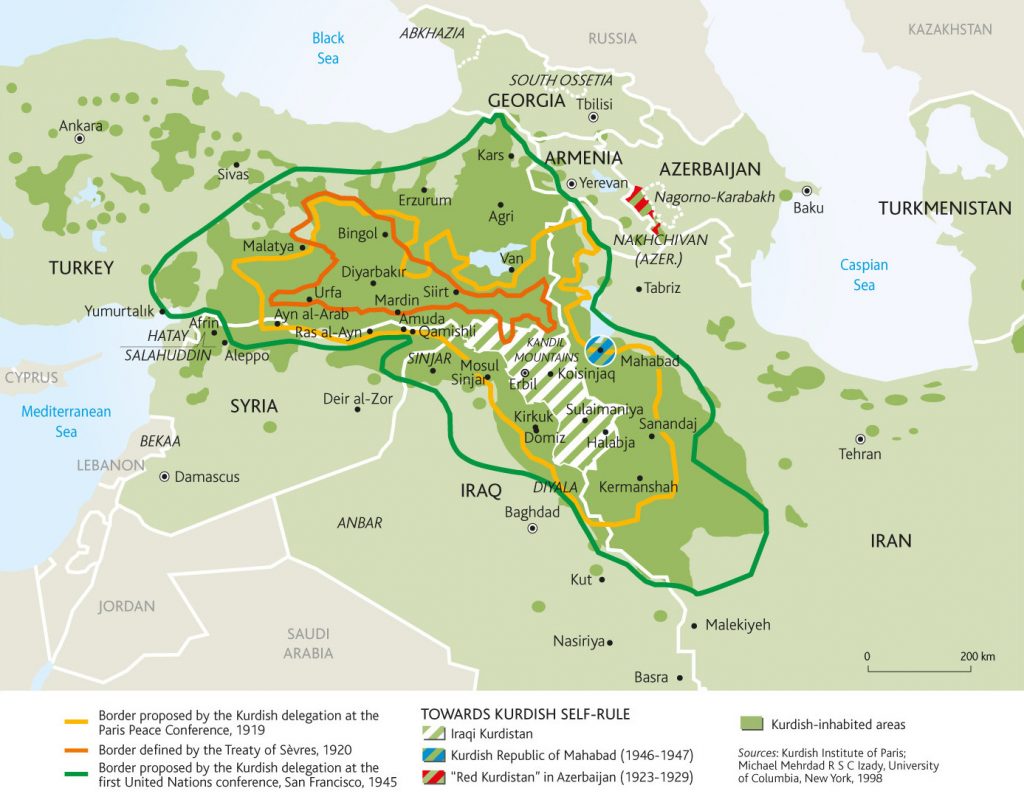
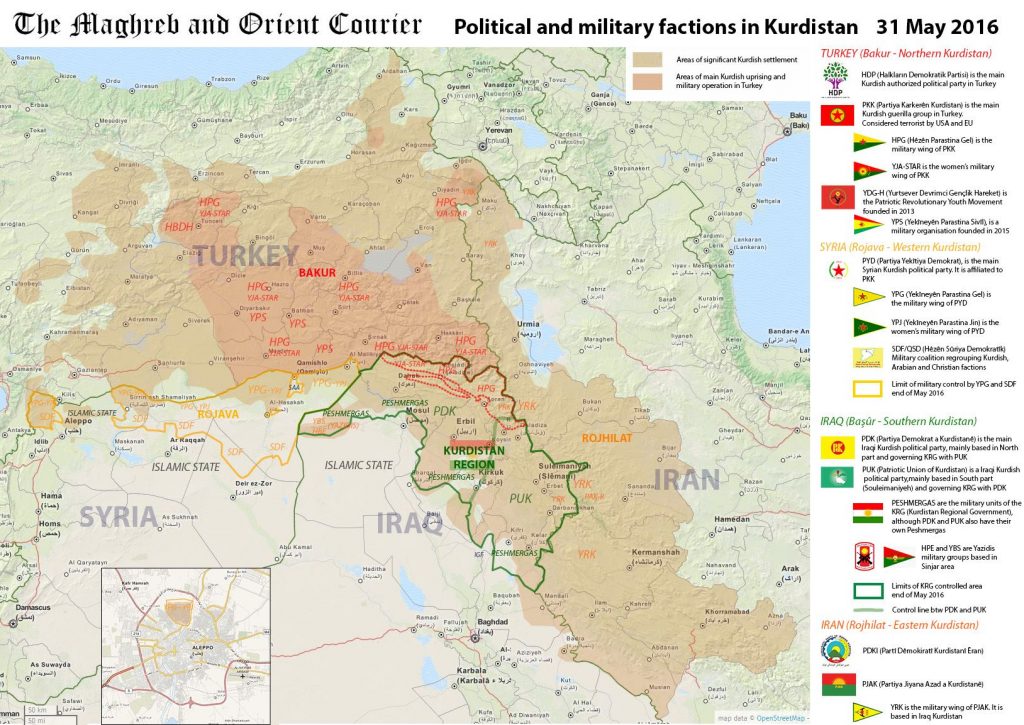
At present, the Kurds are considered to be “the biggest nation in the world, deprived of its own state, of self-government and basic human rights” (1). It is difficult to estimate the exact number of the Kurdish population in Turkey. The main reason is that people in Turkey were not allowed to call themselves Kurds until recently. Research shows that the official statistics about the Kurdish population do not reflect the truth. Different sources give varying data about the Kurdish population.
Until some centuries ago, literary standards in many communities throughout the world were predominantly the sum of codified religious texts. Their style and grammar were memorized and reproduced and finally copied and transferred into further literary activities.
Yaron Matras and Gertrud Reershemius