KAL is an ELECTRONIC NON-GOVERNMENTAL ORGANIZATION (e-NGO) and has been initiated on independent volunteering bases as a global open network since 1993. Members with skills in linguistic, and information technology are sharing their thoughts around Kurdish linguistic issues. They seek information, solutions and focus on a future for better understanding of the Kurdish language. KAL is a community of people who has responded to this crucial question of our society.
ISTANBUL - HDN, 16/02/2011
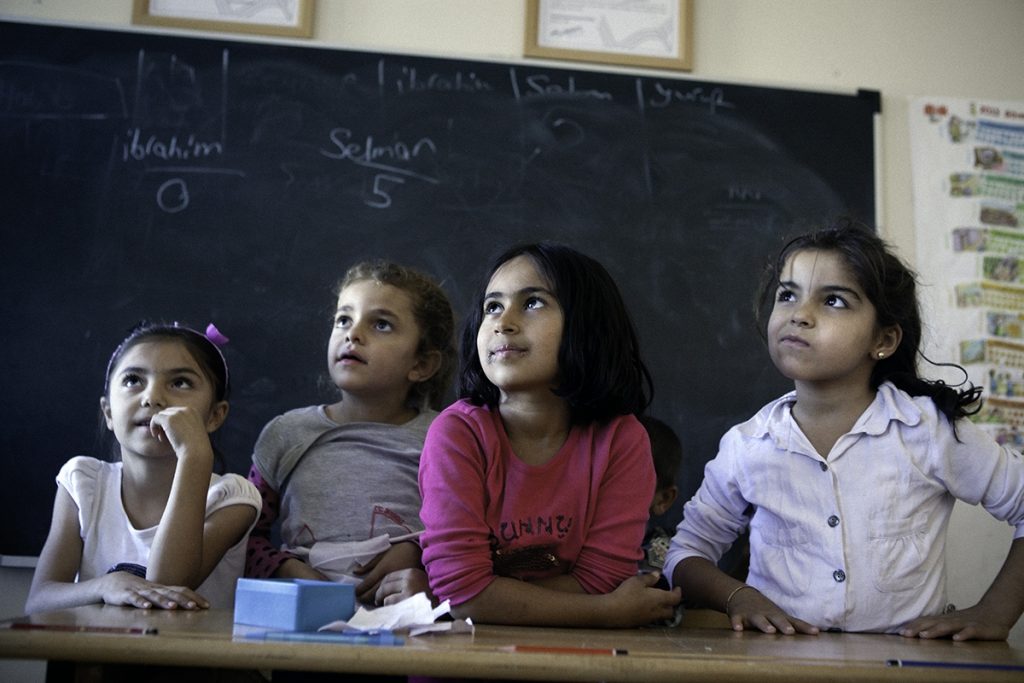
A Turkish foundation has called for Article 42 of the Constitution to be changed in order to allow education in mother tongue, saying the article has “turned into a barrier” to educational rights.
The report by the History Foundation also included a recommendation to introduce an elective class on Kurdish language and literature into the high school curriculum.
This is the cover page of the first ever Kurdish Textbook in Armenian alphabet. This book was published in 1860 in Yerevan. KAL celebrating 150th anniversary of Kurdish textbook and modern learning. KAL has entire book which will be scanned and posted online sue to course.
We are looking for users who are able to read old Armenian to convert this book to modern Kurdish writing systems. Please use the contact form to contact us.
Prepared by Amir Sharifi and Luqman Barwari, 14/01/2011
As 2010 was coming to an end, one could make a forceful argument that the year was an intriguing and fruitful one when it came to the long neglected Kurdish language, art, and literature. Kurdish intellectuals, politicians, and activists in the homeland and Diaspora for the first time discussed their shared interests and aspirations to ensure that they re-discover, reassert and regain their role in studying, safeguarding, and representing their cultural legacy and ethnic and linguistic identity.
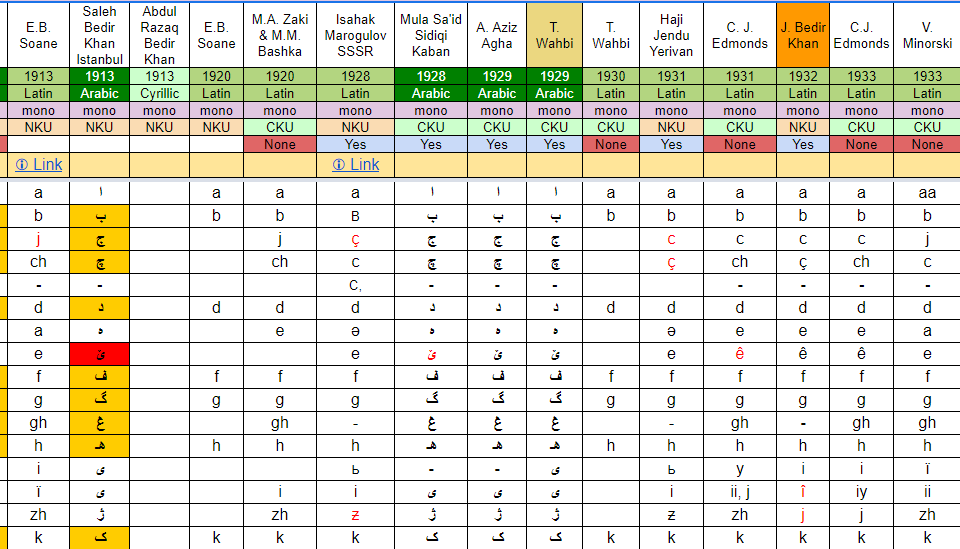
Marogulov kí ye? Ísahak Marogulov, péshengé elfabeya kurdí ya bi Latíní ye. Lé belé kurdén Bakur pir ew nebihístine. Di der baré berhemén wí de ú di der baré alfabeya wí de. Min xwest ez hinekí di der baré wí de agahiyan berhev bikim an híní jhiyan ú keda wí bibim. Lé di ínterneté de mixabin tené cend heb nivísar hebún. Ew jhí péshí bi tirkí hatine nivísandin. Ew nivísar jhí jhi pirtúka bi navé “Jhi Díroka Gelé Kurd 13 Pelén Balkésh (Kurt Halk Taríhínden 13 ilginc yaprak)” hatine girtin. Pirtúk a Rewshenbír Jelílé Jelíl ú jhi Wesanxaneya Evrensel Basin Yayin, bi wergera nivískar Hasan KAYA di sala 2007’an de hatiye capkirin. Bi rastí, divé zimanzan li ser vé yeké bisekinin ú níqash bikin.
ئینجیل بە کوردیی موکریانی؛ نووسینی هێدی (21/12/2010)
لەو ساڵانەدا کە میسیۆنێرەکان لە مەهابادێ بوون(١٩١٢- ١٩٣٦) میسیۆنێرێکی لێهاتوو بە نێوی "لودویگ ئۆلسن فاسووم" بە یارەمەتیی "میرزا ڕەحمانی حاجی نەورۆز" خەریکی وەرگێڕانی ئینجیل[چاخی نوێ] بووە. ئەو ئینجیلە چوار بەشە و سەرجەمی بەشەکان دە کتێبێکی ٣٠٦ لاپەڕەییدا، بە نێوی "ئینجیلی موقەدەس"، لە ساڵی ١٩١٩دا، لە ئەمریکا، چاپ کراون.
ئهنوهر سوڵتانی؛ سهرهتای ساڵی 2009
ئهبولقاسم لاهووتی کرماشانی (1887 - 1957) ڕوخسارێکی ناسراوی بزووتنهوهی کۆمۆنیستی ئێران سۆڤیهتی سهردهمی ستالینه. لاهووتی ههروهها شاعیرێکی ناودار و خاوهن دیوانی فارسییه و به یهک له گرنگترین شاعیرانی چینی کرێکاری ئێران و تاجیکستان ههروهها به یەکەم پێشرهوی نوێ کردنهوهی شیعری فارسی و ئازادکردنی له بهند و بهستی عهرووزی دهناسرێت.

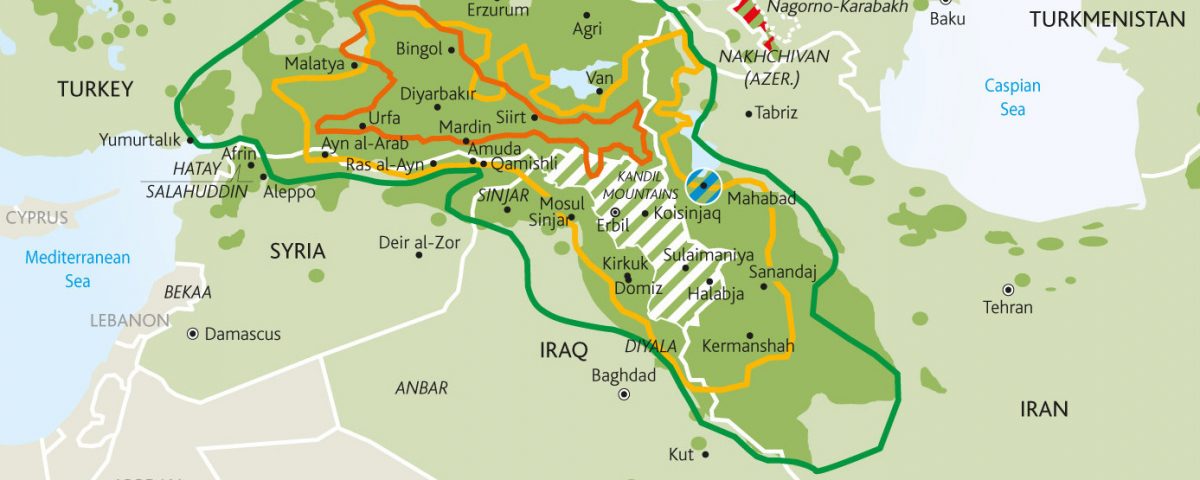
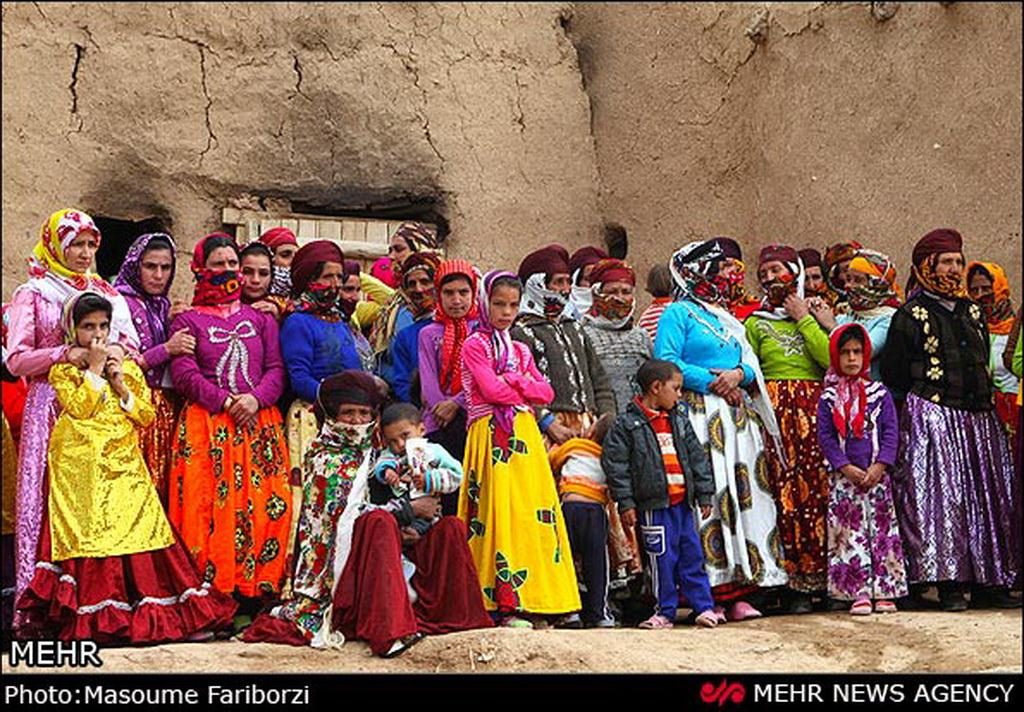
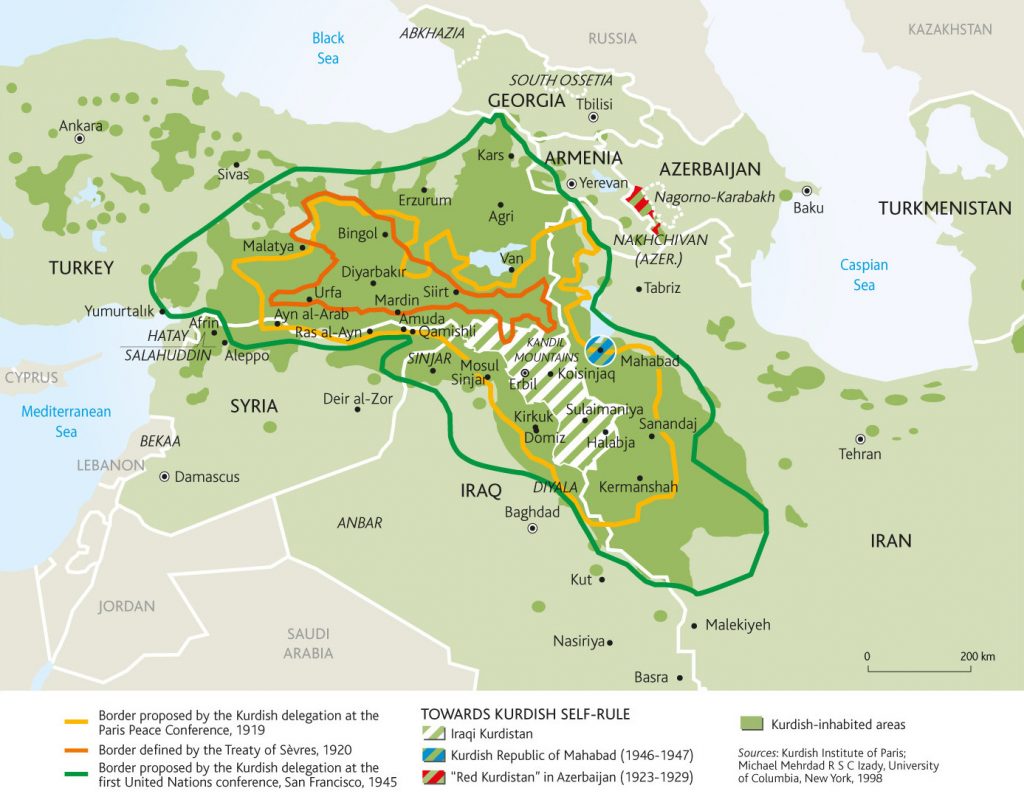
Kurdish (Kurdish: Kurdí, كوردی, Kurdî, Кöрди) language belongs to the Indo-European family of languages. Kurdish dialects are members of the northwestern subdivision of the Indo-Iranic language, Iranic branch of this largest family of language in the world. The Kurdish language is an independent language, having its own historical development, continuity, grammatical system and rich living vocabularies. The Kurdish language was derived from the ancient "Median" language or "Proto-Kurdish". Ca. 30 million people in the high land of Middle East, Kurdistan, speak different dialect of Kurdish.
By Dilan Roshani, 1st Intl. KAES Conference, UCLA, CA, USA, 5th Nov 2010
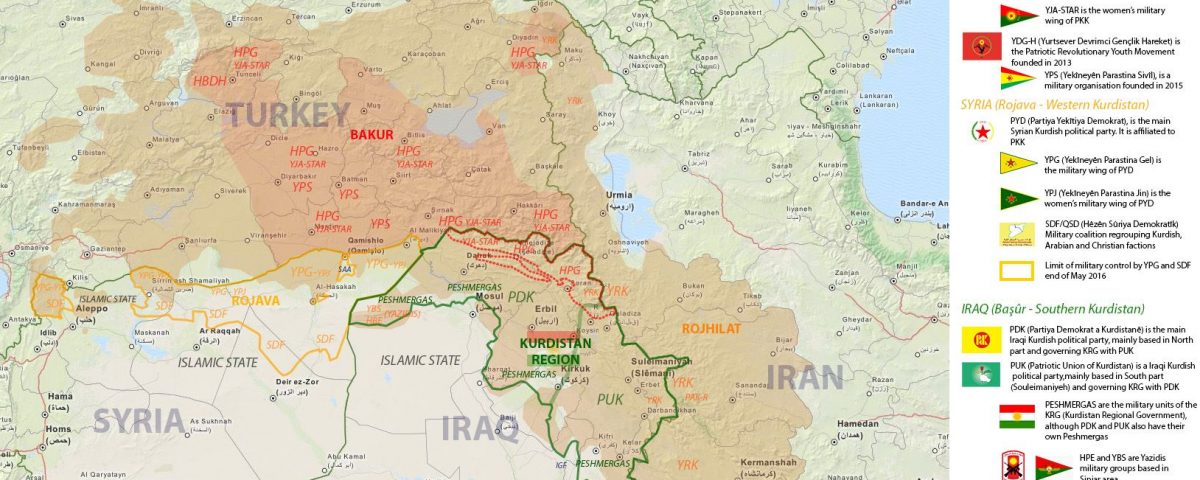
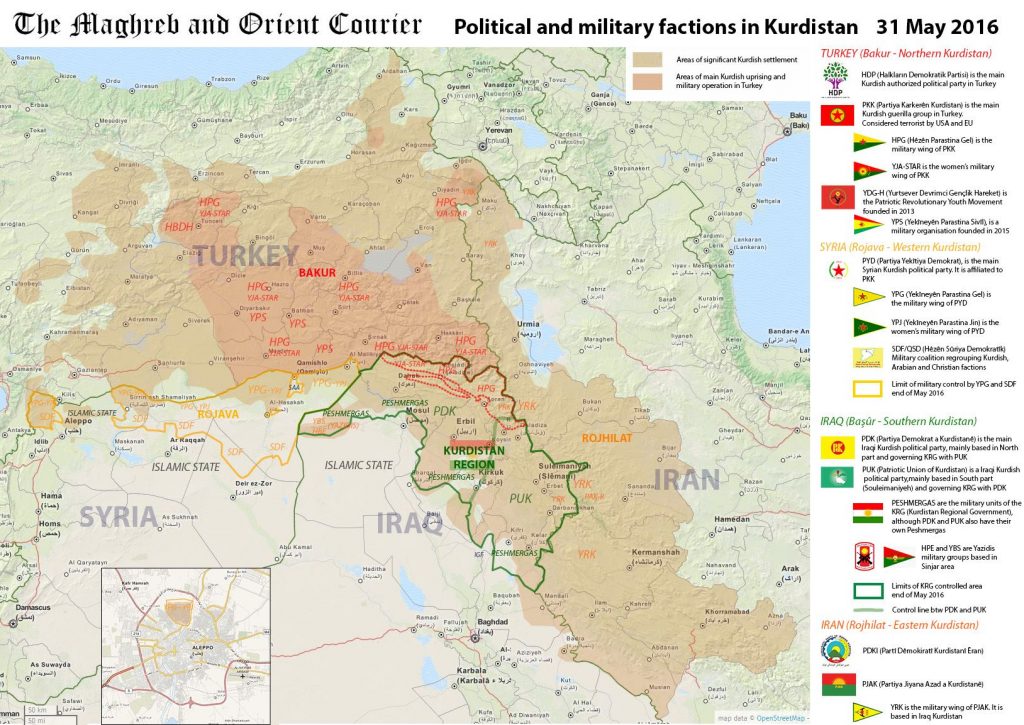
This year marks nearly 20 years of the Kurdish near-independent political rule over Iraqi Kurdistan. This region is home to an estimated 4-5 million Kurds who share a common identity and culture but who also speak a great variety of dialects.
In the northernmost area of the Kurdistan Region, people speak a Northern Kurdish variety which they variously call Behdíní, Surcí, Hekarí, Shengarí and Sinjarí. In the more southerly areas, one will find a Central Kurdish variety referred to by the names of the sub-regions or a tribe, such as Mukrí/Mukriyani, Erdelaní, Germíyaní, Soraní, Xushnaw, Píjhder, Píraní, Wermawe, and Hewlérí.
‘ Ji Bo Pêşxistina Çanda Netewî ya Demokratik, Yekîtiya Netewî’
Di 11-12’ê Berfanbara 2010’an li Amedê dê 1. Konferansa Çand-Huner û Wêjeyê were lidarxistin. Di dîroka gelê me de cara yekem dê hunermend, nivîskar, rewşenbîr û mirovên çandê di asta netewî de li ser çavkaniyên dirokî yên çandê bisekinin û li ser rojevbûn û perspektîfa pêşeroja wê dê nîqaşên berfireh bimeşînin. 1. Konferansa Çand-Huner û Wêjeyê ya Kurdan mîna ku ji bo netewe kurdan dê bibe gaveke dîrokî, di heman demê de ji bo gelên Rojhilata Navîn û bi giştî ji bo mirovahiyê jî dê bibe berpirsiyariyeke wîcdanî, exlaqî û polîtîk. Bêguman dê lidarxistana konferanseke bi vî awayî ji bo têkoşîna gelê me ya gihîştina nirxên mirovahî û azadiyê bibe tevkariyeke mezin.